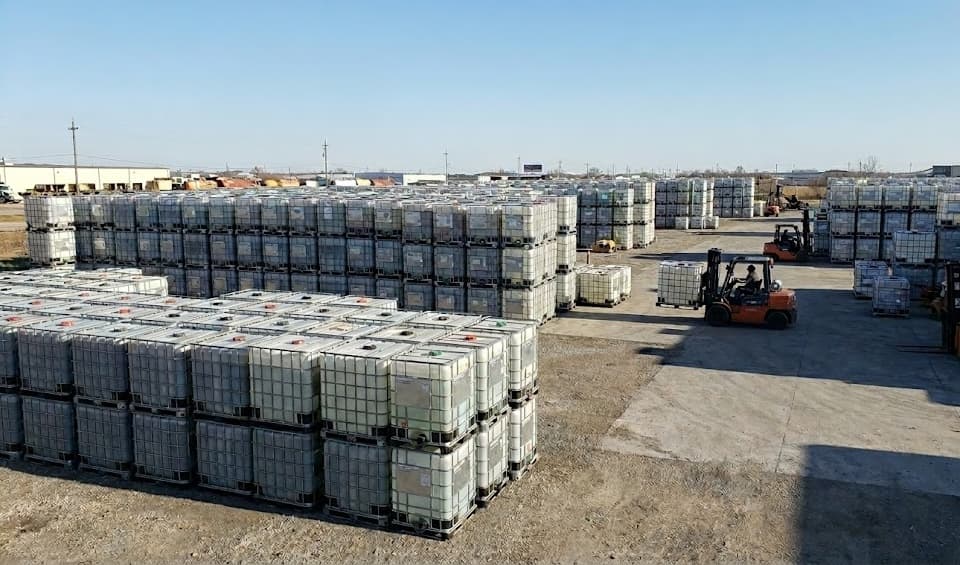
IBC Tank Disposal
When recycling is not an option, we provide certified, documented, and compliant destruction services.
Request a Free Quote
When Disposal Is Necessary
In a small number of cases, IBC tanks cannot be reconditioned or conventionally recycled. Tanks that held certain hazardous materials, containers with severe structural failure, or units subject to regulatory destruction orders require specialized disposal that goes beyond standard recycling.
Our disposal service handles these cases with full regulatory compliance. We work with licensed hazardous waste processors when needed and provide complete documentation for your records, including certificates of destruction, waste manifests, and chain-of-custody logs.
Disposal Process
Assessment
We evaluate the tank to confirm that disposal is the appropriate path. If recycling or reconditioning is possible, we will recommend that instead.
Content Handling
Residual contents are drained, tested, and disposed of through the appropriate waste stream — general, hazardous, or special waste.
Decontamination
The tank is decontaminated to the extent required by the waste classification of its previous contents.
Destruction
The tank is rendered permanently unusable through crushing, shredding, or other approved methods. Materials are routed to appropriate disposal facilities.
Documentation
You receive a complete packet including certificate of destruction, waste manifest, and disposal facility confirmation.
Documentation Provided
- ✓ Certificate of Destruction (with unique tracking ID)
- ✓ Hazardous Waste Manifest (EPA Form 8700-22, if applicable)
- ✓ Chain of Custody Log
- ✓ Disposal Facility Confirmation
- ✓ Weight Tickets and Material Classification
- ✓ Photographic Documentation (upon request)
Disposal Is Our Last Resort
Our hierarchy is always: reuse > recondition > repurpose > recycle > dispose. We only dispose when all other options have been exhausted. If there is any way to keep your tanks or their materials in productive use, we will find it.